

Generative AI could generate between $60 billion and $110 billion in annual economic value for the pharmaceutical and medical products industries, according to McKinsey Global Institute estimates. The technology is already being explored across drug discovery, clinical development, operations, commercial activities and medical affairs.
But capturing that value requires more than deploying another AI tool. Life sciences companies also need to rethink how information moves through their organizations, particularly as scientific and medical teams deal with increasingly complex datasets and communication workflows.
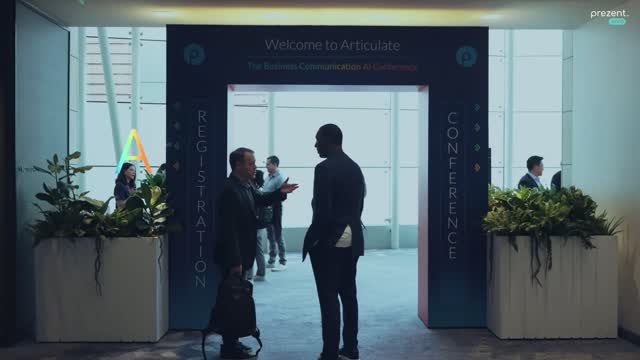
That challenge will be part of the conversation at Articulate 2026, a Prezent Vivo event focused on the intersection of AI and scientific communication.
McKinsey’s 2025 survey of more than 100 pharma and medtech leaders found that all respondents had experimented with generative AI, while 32% had already taken steps to scale it. At the same time, only 5% said they had achieved a competitive advantage generating consistent and significant financial value from the technology.
The gap between experimentation and scale is increasingly becoming an organizational question. AI may be capable of processing scientific literature, summarizing complex information and generating communication materials, but companies still need processes that determine how those outputs are reviewed, validated and used.
The next AI challenge is organizational
Scientific communication sits across many of those workflows. Pharmaceutical companies need to move information between research, medical affairs, regulatory teams, commercial organizations and executives, often adapting the same scientific knowledge for very different audiences.
Articulate 2026 will bring together professionals from those functions to discuss how AI can become part of that process.
The speaker lineup includes Aabhas Paliwal, Director, IT Business Partner at Amneal Pharmaceuticals; Alice Choi, COO at Prezent Vivo; Antti Kourula, Global Head of Market Access at CSL; Anubhav Srivastava, Associate Director – AI Engineering & Generative AI at Novo; Anupam Rastogi, Managing Partner at Emergent Ventures; Dymeka A. Harrison, MBA, Founder & Managing Principal at Blueprint Advisory Dx; Erin Krolikiewicz, Global Head of Talent Strategy, Pharma at Roche; and Francine Carrick, President at Prezent Vivo.
The event will also feature Frank Desvignes, Founding Partner at True Global Ventures 4 Plus & 5 Opportunity Fund; Gwendolyn Whitney, Former President, US Commercial at Amicus Therapeutics; Jamie Leong, Global HR Business Partner at Discovery Solutions; Jeanna Cooper, Regional Medical Affairs Director- North at Crinetics Pharmaceuticals; Joe Walsh, Founder, Chief Product Officer at Canopy Life Sciences; Julie Guery, Global Regulatory Affairs Labeling Head at Sanofi; Kevin Kallmes, Chief Executive Officer at Nested Knowledge; and Kieran Chacko, BioTech Investor.
Other speakers include Kristen Binaso, RPh, Senior Director, Professional Society Engagements & Educational Partnerships at BridgeBio; Lauren Pattani, MBA, AI Transformation Lead at Pfizer, Inc.; Manish Tewani, Director, HCP Marketing at Neurocrine Biosciences; Marine Queniart-Stojanovic, Senior Executive Board Member at Prezent Vivo; Matthew Skic, Director of Collections & Exhibitions at the Museum of the American Revolution; Mike Edwards, Executive Director, Marketing Strategy – Rheumatology at Novartis; Nick J. Romano, U.S. Oncology Director, Learning Strategy at Bayer; and Rajat Mishra, Co-Founder & CEO at Prezent Vivo.
The lineup is completed by Rebecca Goldstein, Executive Medical Director at Abeona Therapeutics; Sean Sheffler-Collins, PhD, Director, Scientific Communications & Content at Astellas Pharma; Steven Birdsall, Chief Revenue Officer (CRO) at Alteryx; Vijeta Makkar, Director, Radiopharmaceutical Strategy at Novartis; Vivek Mukhatyar, Medical Affairs AI Leader at Pfizer, Inc.; and Zhen Su, MD MBA, President & Chief Executive Officer at Marengo Therapeutics.
The range of roles represented at Articulate 2026 reflects a broader change in enterprise AI adoption. As companies move beyond pilots, technology teams increasingly need to work alongside medical, regulatory, commercial, marketing and leadership functions.
For life sciences organizations, that means the AI conversation is expanding from what models can generate to how companies can build workflows around them. Scientific communication is one of the areas where that transition is becoming particularly visible.