

Virtual care is no longer simply a video call between a patient and a physician. As telehealth becomes a more established part of healthcare delivery, providers and healthtech companies are looking for technology that can support communication, patient intake, scheduling, documentation and follow up within the same experience.
That evolution is also changing the appeal of white label platforms. Rather than sending patients to a third party service, healthcare organizations can offer virtual care through their own websites, applications and digital environments while relying on an underlying technology platform.
Research from Rock Health found that 76% of surveyed U.S. consumers had used virtual care by 2023. Among those who had used it, 83% had done so during the previous 12 months, suggesting that virtual care had moved into a more established stage of consumer healthcare behavior.
For technology teams, the challenge now is building on that adoption without creating another disconnected layer in the healthcare stack. Branding matters, but so do deployment options, interoperability, security and the ability to adapt workflows as the service expands.
Best white-label telehealth platforms
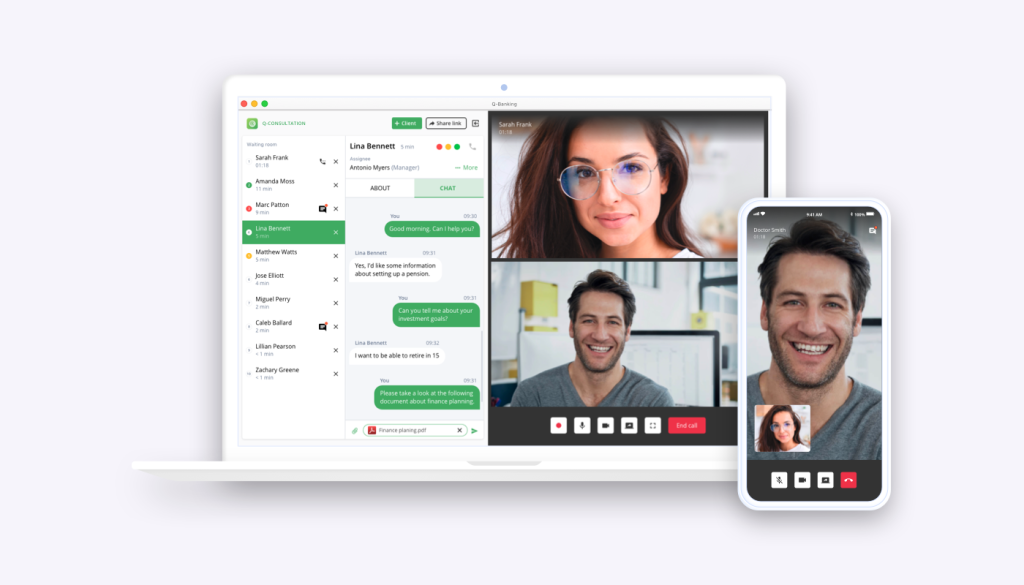
QuickBlox approaches the market through Q-Consultation, a white label telehealth platform that combines video consultations, chat, virtual waiting rooms, scheduling, document sharing and patient workflows. Organizations can use their own logo, colors, domain and branded patient experience rather than sending users to a separate third party environment.
The platform also brings AI into the clinical workflow. Q-Consultation supports automated patient intake, symptom collection, AI generated SOAP notes and suggestions for ICD-10 and CPT codes. QuickBlox also offers healthcare AI agents that can handle intake, appointment booking, FAQs and human handoffs before connecting patients with care teams.
For healthtech teams with more complex infrastructure requirements, Q-Consultation can run through QuickBlox managed hosting or be deployed in a private cloud or on premises. APIs and SDKs also allow organizations to connect the platform with EHRs, CRMs and other healthcare applications, giving developers more control over how virtual care fits into an existing technology stack.